Everyone is talking about AI in marketing. And we are too. Last week at Audience Collective, we hosted our first-ever Alt Feed webinar: “If Machines Can Do the Work, What’s Left for Marketers?”. Over 130 people joined to debate one of the biggest questions in modern marketing: what happens when machines can do the work, and what’s left for humans?
This wasn’t about AI writing ads or planning media. It was about the stuff that really matters: insight, ideas, and creating products and experiences that actually meet audience needs.
Meet the Panel
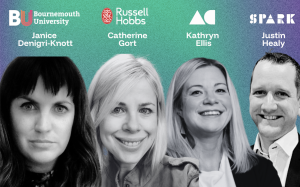
We had an incredible line-up of voices:
The discussion was led by me, Kathryn Ellis, Group Strategy Director at Audience Collective, and featured three expert panellists:
Catherine Gort, Global Vice President of Marketing at Spectrum Brands, brings a practitioner’s perspective on how AI can create competitive advantage for household brands such as Russell Hobbs and Remington.
Professor Janice Denegri-Knott, Professor of Consumer Culture and Behaviour at Bournemouth University, shares academic insights into the ethical use of AI in marketing and communications.
Justin Healy, Managing Director at Spark Market Research, highlights how AI is being trialled in areas such as synthetic research, persona development, and language analysis.
Three very different perspectives. One big question: how do we use AI without losing what makes marketing human?
The Russell Hobbs Calm Kettle Moment
One moment sparked real debate: the Russell Hobbs Calm Kettle.
Catherine explained that the Calm Kettle was driven by a basic insight. Making a cup of tea isn’t just about getting your caffeine fix; it’s also about that microbreak you get whilst waiting for the kettle to boil.
The Calm Kettle was designed to soften that everyday ritual, reducing noise and bringing a sense of pause into a familiar moment. Functional, but deeply emotional too.
This is where the discussion landed. AI can help uncover these kinds of insights, spotting patterns in behaviour and language. But it cannot decide what to do with them.
That judgment remains human. Translating insight into something meaningful. Choosing which tensions to solve. Designing products that feel human, not engineered.
The Calm Kettle became a clear example of AI as an input to innovation, not the answer itself.
Missed it? No problem. Here’s the top 5 Things We Learnt:
1. AI is a Partner, Not a Replacement
AI can do a lot. Faster analysis, pattern recognition, and even helping spark ideas. But the magic still comes from humans. From ideation to insight, AI works best when guided by human expertise.
2. Time is Your Friend
AI can save time, cut repetitive work, and free up space for the creative, strategic thinking that machines can’t do. Think of AI as an extra team member, not a replacement.
3. Ethics Matter
Professor Denegri-Knott reminded us that AI is powerful, but it comes with trade-offs. Always ask: why are we using this AI, what’s the environmental and social impact, and does it align with our values?
4. Start Now, Carefully
Everyone agreed: start experimenting now. Learn, test, have fun. But be careful with sensitive data. Use secure platforms. Talk to legal and IT. Play, but stay safe.
5. Imperfection is Key
Just like the Instagram feeds we scroll through, imperfect, human, messy content is what builds trust. AI can help, but authenticity still wins.
Justin summed it up perfectly. “In the future, we will not even talk about AI separately. We will just talk about marketing, and AI will be an integrated part of it. Get ahead, be brave, and enjoy it.”
Final Thoughts
AI will change marketing, but it won’t replace humans. It will amplify us, challenge us, and maybe even inspire us. The best marketers will be the ones who integrate AI thoughtfully, stay human, and experiment boldly.
We look forward to seeing you at the next AltFeed event for more disruptive debate and divergent thinking.
You can watch the best bits here, in the meantime: